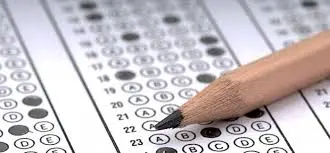
A grand total of 70,608 candidates took part in this year’s National Common Entrance Examination, NCEE, held nationwide on Saturday. This figure, however, fell short of the registration numbers from the previous year, 2023, which saw over 72,000 candidates registering and engaging in the assessment.
The Registrar and Chief Executive of the National Examinations Council, NECO, Prof. Ibrahim Dantani Wushishi, made this revelation over the weekend while overseeing the examination alongside the Permanent Secretary of the Federal Ministry of Education, Mrs. Didi Esther Walson-Jack, Senator Lawal Adamu Usman from the Senate Committee on Basic and Secondary Education, and other high-ranking officials from both the ministry and NECO at various centers in Abuja, the Federal Capital Territory.
Prof. Wushishi highlighted a significant difference in this year’s registration process compared to previous years, particularly noting the successful resolution of the issue of underage pupils participating in the examination, a problem that had plagued earlier editions.
“In the current National Common Entrance Examination, we had a total of 33,335 male candidates and over 37,000 female candidates registered,” he shared. “The overall number of registered candidates stood at 70,608, a decrease from last year’s figures. Last year saw over 72,000 registrations. Thus, there was a higher registration count for both genders in the previous year compared to this year.”
The NECO head attributed the lower enrollment figures to economic challenges faced by families across the nation, especially in rural areas, where many are striving to make ends meet. He acknowledged a slight rise in the registration fee and recognized the impact of the economic climate on families. “Most of the rural population and some states do not provide sponsorship at this level. It falls on the parents, sometimes aided by politicians or traditional leaders, to sponsor candidates. The prevailing economic conditions play a significant role in this decrease in registrations,” he stated.
Addressing the previously rampant issue of underage registrations, Prof. Wushishi assured that measures had been taken to rectify the situation. “We pledged during last year’s Common Entrance Examination to tackle the problem of underage candidates registering for the exam, and we have done so,” he affirmed.
Furthermore, Mrs. Didi Walson-Jack, the Permanent Secretary of the Federal Ministry of Education, commended NECO for its meticulous planning and execution of the examination to ensure a smooth and efficient process. Senator Lawal Adamu, Chair of the Senate Committee on Education, Basic and Secondary, praised NECO’s efforts and financial assistance provided to parents for NECO and JAMB examinations, stressing the importance of educational support from representatives to build a solid foundation for every child in their constituencies.
Lagos emerged at the forefront with the highest number of candidates, totaling 17,751, followed by the FCT with 10,209 candidates and Anambra in third place with 4,972 participants. In contrast, Bayelsa, Borno, and Gombe had notably fewer candidates involved in the examination, with registrations tallied at 133, 138, and 174 respectively.