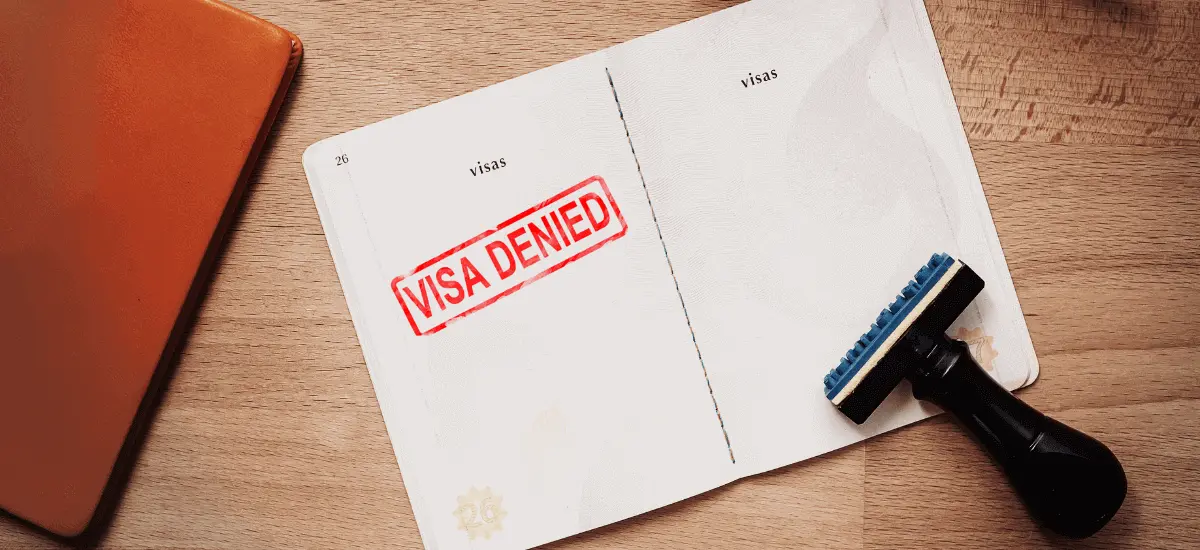
Applying for a visa can be quite intricate and detailed. Understanding the usual stumbling blocks can enhance an applicant’s chances of success.
Here are the primary reasons why visa applications are frequently turned down:
Incomplete Application Submission
One of the most common reasons for visa rejection is the submission of an unfinished application. Omitting documents or providing incomplete information can lead to an immediate denial. It is crucial to ensure that every section of the application is thoroughly completed and all necessary documents are included.
Insufficient Financial Resources
Visa officers must have confidence in applicants’ ability to financially support themselves throughout their stay. If bank statements fail to show enough funds, the application might be refused. Applicants should verify that their financial records clearly exhibit their capacity to cover all expenses.
Invalid or Insufficient Documentation
Using outdated or inaccurate documents can result in a visa application being dismissed. All paperwork must be current, precise, and, if required, accurately translated. Thoroughly reviewing all documentation before submission is vital.
Subpar Interview Performance
For visas that mandate an interview, the applicant’s demeanor and responses play a crucial role. Seeming excessively anxious or being unable to answer questions confidently can have a negative impact on the final decision. Applicants are encouraged to prepare extensively and rehearse their responses to common interview queries.
Lack of Strong Ties to Home Country
Visa officers must be convinced that applicants have intentions to return to their home country after their visit. A lack of substantial ties, such as employment, family, or property, can raise suspicions of potential overstaying. Showing significant connections to one’s home country can alleviate these doubts.