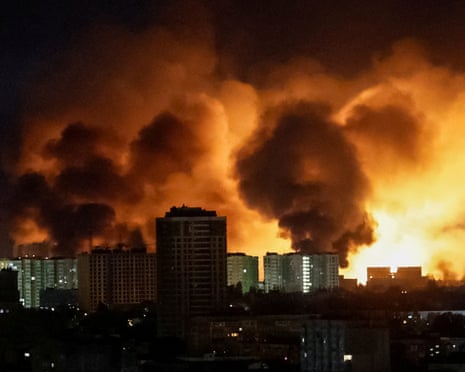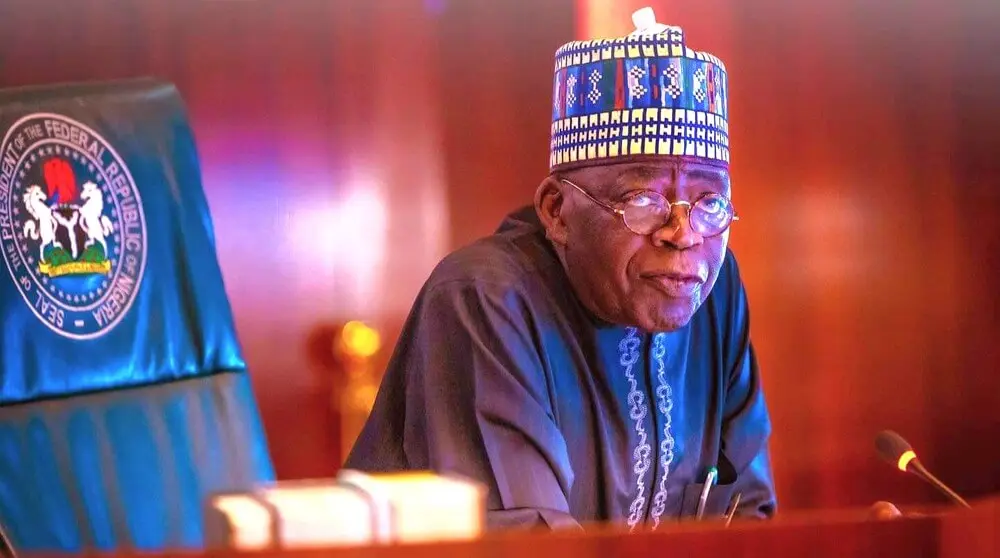
The member representing Ikwo/Ezza South Federal Constituency at the National Assembly, Hon Comrade Chinedu Ogah, OON, has made it abundantly clear that President Bola Ahmed Tinubu should not be seen as the root cause of Nigeria’s ongoing challenges, despite the protests currently taking place in various regions of the country. Ogah emphasized that the real issues plaguing Nigeria stem from a variety of local factors, which include selfish politicians, greedy civil servants, misguided youths, neglectful parents, and purposeless hotel owners. He expressed his appreciation for the strides President Tinubu has made so far, particularly in the area of ensuring financial autonomy for Local Government Areas across Nigeria, which is a significant step towards empowering local governance.
In his statement, Ogah underscored the need for politicians and representatives at all levels of government to reflect on their roles and take proactive steps to empower their constituents, particularly in the agricultural sector. He advocated for a concerted effort aimed at enhancing food supply and sufficiency within the nation. Ogah pointed out that the overarching problems facing Nigeria encompass not just a few individuals, but a collective of stakeholders, including parents who have not instilled the values of hard work and integrity in their children. He lamented the prevalence of activities such as “yahoo yahoo” among unemployed youth, which he criticized as a misguided pursuit.
Further delving into the local issues, he condemned hotel owners who allow their establishments to be misused for illicit activities, including rituals, and those who permit underage youth to reside in their hotels for extended periods. He argued that these irresponsible actions contribute to the broader societal problems that Nigeria faces today. Additionally, he highlighted the role of civil servants in exacerbating the situation, noting that many of them flaunt their wealth through luxurious properties acquired through the looting of public funds. Ogah firmly stated that these individuals and certain politicians who fail to pass on federal empowerment packages to their constituencies are the true problems of the nation and not President Tinubu himself.
Ogah shared this perspective in a detailed statement, during which he also mentioned his position as the Chairman of the House of Representatives Committee on Reformatory Institutions. He explained that various segments of the Ebonyi population are being included in the government’s ongoing initiatives, hence he encouraged governors from other states to visit Ebonyi to learn from the leadership style and governance approach demonstrated by Governor Francis Ogbonna Nwifuru. He noted that in Ebonyi, all segments of society—including youth, women, the elderly, and even non-indigenes—are actively included in governmental planning and decision-making processes.
He remarked that the governance seen in Ebonyi State is actively characterized by a genuine government that operates for and by the people, underscoring the capabilities of Governor Nwifuru’s leadership. Ogah criticized the lack of action from some politicians who occupy government positions yet fail to improve basic infrastructure, such as rehabilitating local primary schools in their constituencies, while they choose to cast blame on President Tinubu. He posed a rhetorical question regarding the unreasonableness of blaming the President for utilizing legal channels to secure financial autonomy for all 774 Local Government Areas in the country.
During his statement, Ogah issued a warning to both the general public and those holding positions of power, imploring them to cease placing the blame for Nigeria’s numerous challenges squarely on President Tinubu’s shoulders. He advocated for a peaceful resolution to the protests, urging demonstrators to refrain from vandalizing properties and from destroying the valuable legacies left by the nation’s forefathers. He expressed concern for the irony of blaming President Tinubu, who has provided hope to many citizens during trying times.
Ogah posed several additional questions to challenge the narrative around President Tinubu’s responsibility for various issues, such as the challenges associated with the Nigerian National Petroleum Corporation (NNPC) and the ongoing struggles of the Power Holding Company of Nigeria. He questioned the accountability of the contractors tasked with executing government projects that often fail to weather completion or show up to work sites. The representative called for governors to be earnest with the people who elected them into office and urged them to learn from the exemplary governance practices being implemented in Ebonyi.
For those participating in the protests, he conveyed that their approach is misguided and suggested that it could potentially set the nation back rather than move it forward. He emphasized the importance of local leadership, calling upon village chairmen, councillors, and Local Government chairmen to create opportunities for youth in their respective areas of expertise and interest, as not all young people can be accommodated in government positions.
He further scrutinized those who criticize the government publicly while failing to manage funds responsibly within their own associations. Ogah noted that many individuals who express discontent with the government, after receiving financial support, lack transparency and accountability in their operations. He questioned the fairness of blaming President Tinubu for the fuel subsidy’s limited reach, considering that many Nigerians do not depend on motorcycles or vehicles for transportation, and called for a push to ensure that social investment programs truly reach the grassroots level where the majority of citizens reside.
He pointed out that many citizens lack essential identification documents such as Bank Verification Numbers (BVN) and National Identification Numbers (NIN), which further complicates their access to government assistance. Ogah directed responsibility toward the directors in various governmental agencies rather than at President Tinubu.
He firmly encouraged national leaders to prioritize agricultural initiatives as a sustainable means to address the challenges faced by the populace, acknowledging that government jobs alone are insufficient to meet the needs of all Nigerians. Ogah further challenged parents to take a vigilant approach in raising their children, recognizing that poorly raised and untrained young individuals also contribute to Nigeria’s problems.
Ogah posed critical questions regarding the extent to which federal ministers engage with their states to implement intervention programs for their constituents, highlighting this as a crucial factor in the systemic issues Nigeria faces today. He advocated a return to core values, customs, and traditions, including promoting appropriate societal conduct, particularly among the youth. He expressed concern over moral decay, which he believes has been exacerbated by a lack of parental oversight.
He criticized the protesters for damaging the legacies established by previous generations in their quest for change. Ogah expressed confidence in Nigeria’s abundant resources and emphasized that the youth who are currently destroying property have often failed to acquire practical skills that would aid them in achieving stable livelihoods. He proposed that a focus on agriculture, including the establishment of agricultural cooperatives, could engage these young individuals in productive endeavors and ultimately enhance food security across the nation.
Ogah argued passionately that relying solely on the distribution of rice is insufficient to tackle hunger; instead, cultivating the fertile lands available in Nigeria for agricultural use is imperative. He concluded with a call for both the government and the public to learn from the exemplary governance practices of Ebonyi State. Ultimately, he asserted that every village head should hold their representatives accountable for their accomplishments and that leaders at every level ought to examine their progress and contributions to the communities they serve.
Through Ogah’s lens, the governor of Ebonyi State serves as a model of effective governance, showcasing his achievements and future plans aimed at fostering a better state.