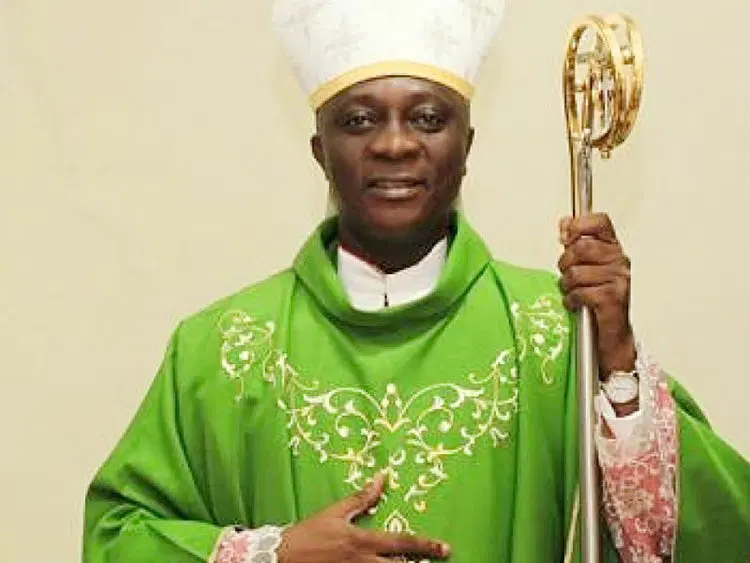
The Catholic Archbishop of Lagos, Alfred Adewale Martins, has made a heartfelt appeal to the Federal Government, urging it to adopt and implement policies that are centered around the masses and focus on their needs. In his statement, he acknowledged the severe and multi-dimensional poverty, as well as the widespread hunger that many citizens are currently experiencing in the country. His observations come as a call to action for authorities to recognize the urgent and pressing challenges faced by the populace.
In highlighting the importance of good governance at every level of government, the Archbishop emphatically called upon political leaders across various tiers, from local to federal, to take immediate steps to address the fundamental causes of the ongoing protests. He identified endemic hunger and deprivation as significant triggers for the unrest and turmoil affecting communities throughout Nigeria. The Archbishop’s concerns reflect the deep-seated issues that require attention and resolution from those in power.
He urged governments at all levels to prioritize initiatives aimed at massive food production, indicating that this is crucial in combating food scarcity. Additionally, he emphasized the need to strengthen the national currency, the naira, as a means to curtail inflation and ultimately improve the overall quality of life for Nigerians facing economic challenges. The necessity for these actions is evident in the daily struggles that citizens endure.
The Catholic Archbishop articulated these sentiments in a statement that was officially signed by the Director of Social Communications, Very Rev. Fr. Anthony Godonu. This endorsement underscores the importance of the message and the commitment of the Church to advocating for the welfare of the people.
He pointed out that the present government has made certain policy decisions that have inadvertently led to increased hardship for many people. Therefore, he stressed that governments at all levels have a responsibility to demonstrate their attentiveness to the concerns raised by the protesters. This can be achieved by making tangible commitments to reduce the cost of governance, even if it involves making difficult choices such as decreasing the number of political appointees or trimming their salaries and other benefits.
The Archbishop conveyed his observations on the dire situation by stating, “There is no doubt that there is a lot of hunger in the land, and many individuals are falling sick and even dying due to poverty, which makes it difficult for them to afford essential medications and hospital care. In addition, many families are struggling to pay the school fees for their children, and the prices of basic necessities like food and electricity are continually escalating.”
Furthermore, he reiterated the importance of the government prioritizing its commitments by avoiding projects and travels that do not directly contribute to enhancing the welfare of the people. He emphasized that in light of the sacrifices being demanded from the citizens for the future of the nation, it is crucial for the leaders to lead by example and demonstrate their willingness to make sacrifices for the greater good. The Archbishop believes that such actions, showcasing solidarity with the struggles of everyday Nigerians, would help alleviate the prevailing anger and frustration within the country, fostering a sense of hope and cooperation between the government and the populace.