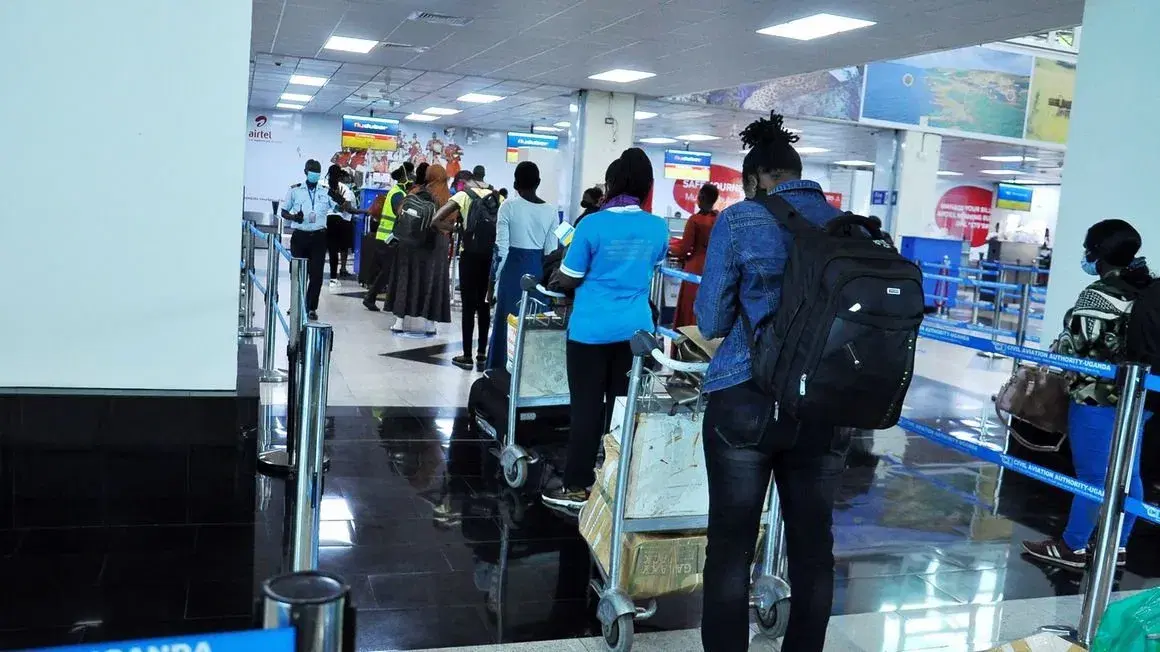
Nations such as Sudan, Zimbabwe, and Nigeria are prominently featured among the top five African countries that have experienced the highest levels of emigration, according to a ranking provided by the UN’s World Population Prospects 2024. This migration phenomenon is a significant issue on the continent, impacting not only the countries from which individuals are leaving but also the broader dynamics of African society as a whole.
5 countries in Africa with the most emigration
1. Sudan
Sudan holds the unfortunate distinction of ranking first among African nations facing the most severe levels of emigration, with approximately 1.35 million citizens having departed from the country in search of better lives. This situation places Sudan in the midst of a growing crisis characterized by political instability, economic hardship, and ongoing conflict. These persistent issues are forcing individuals and families to leave their homeland in search of improved living conditions abroad where opportunities for a more stable life may exist.
Recent statistics underscore the ongoing trend of migration from Sudan, revealing that many Sudanese are seeking refuge not only in neighboring countries but also traveling to Europe and other regions in search of safety and security. The departure of such a significant portion of its population is not merely a matter of personal hardship; it strains families who are left behind and also contributes to a dramatic brain drain that affects the country’s skilled workforce. This situation highlights the broader migration challenges that many African nations face, as they grapple with the reasons that propel their citizens to leave.
2. Uganda
Following Sudan, Uganda ranks second among African countries experiencing significant emigration, with over 126,000 Ugandans leaving the country in recent years. This wave of migration can be attributed to a variety of factors, including persistent economic challenges, political instability, and a lack of adequate opportunities for growth and development within the nation. Many Ugandans have sought refuge and better prospects in various countries around Europe, the Middle East, and North America, often motivated by the hope of finding environments that provide them with greater opportunities for success.
The continued trend of emigration from Uganda raises pressing concerns regarding the loss of talent and labor, particularly in critical sectors that are essential for national development. This situation has led to increased calls for the implementation of more robust policies aimed at retaining skilled professionals in Uganda and improving the overall economic conditions that would enable individuals to thrive within their home country rather than feeling compelled to leave.
3. Zimbabwe
Zimbabwe ranks third among African countries that are most heavily impacted by emigration, with an estimated 97,000 citizens having left the country in recent years. Several primary drivers account for this considerable exodus, including ongoing economic difficulties, extremely high unemployment rates, and significant political instability that has persisted over time. Many Zimbabweans are turning to neighboring countries like South Africa for immediate relief, while others are seeking further opportunities in Europe, the UK, and North America, hoping to escape the challenging conditions they face at home.
The large-scale emigration from Zimbabwe is contributing to a significant brain drain, impacting various critical sectors, including healthcare and education. The implications of this brain drain are serious, as essential services face shortages of skilled professionals who are often seeking better opportunities abroad. This dynamic creates a cycle where emigration further exacerbates the challenges faced by the nation, making it even more urgent to address the underlying issues driving people to leave.
4. Nigeria
Nigeria holds the fourth position among African countries experiencing a high rate of emigration, with an estimated 58,000 Nigerians having left the country in recent years. The reasons behind this trend are multifaceted and include a combination of economic challenges, growing security concerns, and a strong desire for better educational and employment opportunities internationally. This outflow of citizens poses significant challenges for Nigeria, particularly in maintaining its workforce and developing its economy.
A substantial portion of Nigerian emigrants are heading to destinations such as Europe, North America, and the Middle East, often in search of more stable environments and improved living conditions. This phenomenon has raised serious concerns over the possibility of a “brain drain,” especially in sectors that demand highly skilled labor, such as healthcare and technology. As more skilled professionals leave the country for opportunities elsewhere, it leaves Nigeria grappling with the implications for its future development and prosperity.
5. Mali
Lastly, Mali ranks fifth among African countries experiencing the most significant levels of emigration, with approximately 40,000 Malians having left the country in recent years. The driving forces behind this migration include persistent insecurity, ongoing economic instability, and a lack of viable opportunities for personal and professional advancement. The combination of these factors has pushed many residents to seek better prospects elsewhere.
A considerable number of Malians have chosen to migrate to Europe and neighboring West African countries, often undertaking risky journeys in their quest for improved livelihoods. The outflows of people from Mali raise vital concerns about the loss of talent and labor, particularly among the youth demographic, who are increasingly seeking opportunities that are dramatically scarce within their homeland. Addressing these issues not only requires immediate action but also necessitates a comprehensive understanding of the underlying causes of emigration to create sustainable solutions for those who wish to remain.