Dramatic clash between tech billionaire Elon Musk and Brazil’s judicial system, questions have emerged about the role of U.S. taxpayer dollars in funding censorship abroad. The controversy began last year when Musk, the owner of X (formerly Twitter), exposed secret orders issued by Brazil’s Supreme Court to silence opposition voices on social media. This revelation has sparked a heated debate about free speech, government overreach, and the alleged involvement of U.S. agencies in shaping foreign narratives.
The Battle with Brazil’s Supreme Court
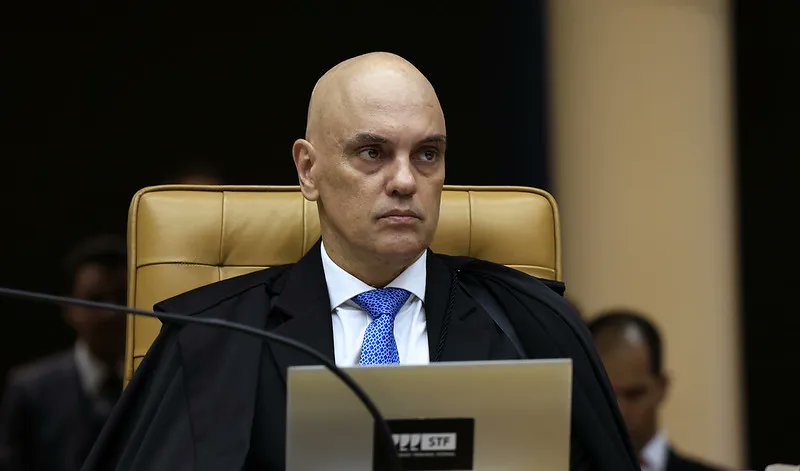
At the center of the storm is Justice Alexandre de Moraes, a prominent figure in Brazil’s judiciary and the architect of the country’s aggressive internet crackdown. Moraes accused Musk of “obstruction of justice” after the billionaire publicly challenged the court’s secret orders, which targeted accounts critical of the Brazilian government. In response, Moraes temporarily banned X in Brazil, escalating tensions between Musk and the Brazilian authorities.
Musk’s defiance has drawn global attention to Brazil’s censorship practices, with critics accusing the Supreme Court of suppressing free speech under the guise of combating misinformation. Musk, a self-proclaimed free speech absolutist, has framed the battle as a fight for transparency and democratic principles, vowing to resist government overreach.
USAID’s Alleged Role in Funding Censorship
The controversy took a deeper turn when former State Department official Mike Benz revealed that the United States Agency for International Development (USAID) had funneled taxpayer money into leftist groups in Brazil. According to Benz, these funds were used to support censorship efforts and control narratives, particularly during the 2022 Brazilian elections. Benz’s claims were initially dismissed as conspiracy theories, but evidence later surfaced linking USAID to global media funding and internet censorship initiatives.
Critics argue that USAID’s actions represent a troubling use of taxpayer dollars to influence foreign elections and suppress dissenting voices. Musk, who paid over $10 billion in taxes last year, has expressed outrage that his contributions may have been used to fund efforts that undermine free speech. “Elon paid over $10 billion in taxes—only for USAID to use taxpayer money against him for defending free speech. Let that sink in,” one commentator noted.
A Global Pattern of Censorship?
The revelations about USAID’s activities in Brazil are part of a broader pattern of alleged U.S. involvement in global media and internet censorship. Critics point to the agency’s extensive funding of media organizations and tech initiatives worldwide, which they claim are used to push specific narratives and suppress opposing viewpoints. Musk’s exposure of these practices has reignited debates about the ethical implications of such interventions and the need for greater transparency in government-funded programs.
The Broader Implications
The clash between Musk and Brazil’s Supreme Court highlights the growing tension between tech giants and governments over the control of online speech. As social media platforms become increasingly influential in shaping public opinion, governments around the world are grappling with how to regulate them without infringing on free expression. Musk’s stand against Brazil’s censorship efforts has positioned him as a key figure in this global debate, with supporters applauding his commitment to free speech and critics accusing him of undermining legitimate efforts to combat misinformation.
The allegations against USAID also raise important questions about the role of foreign aid in shaping political outcomes. If proven true, the use of taxpayer money to fund censorship and influence elections would represent a significant breach of public trust and a violation of democratic principles.