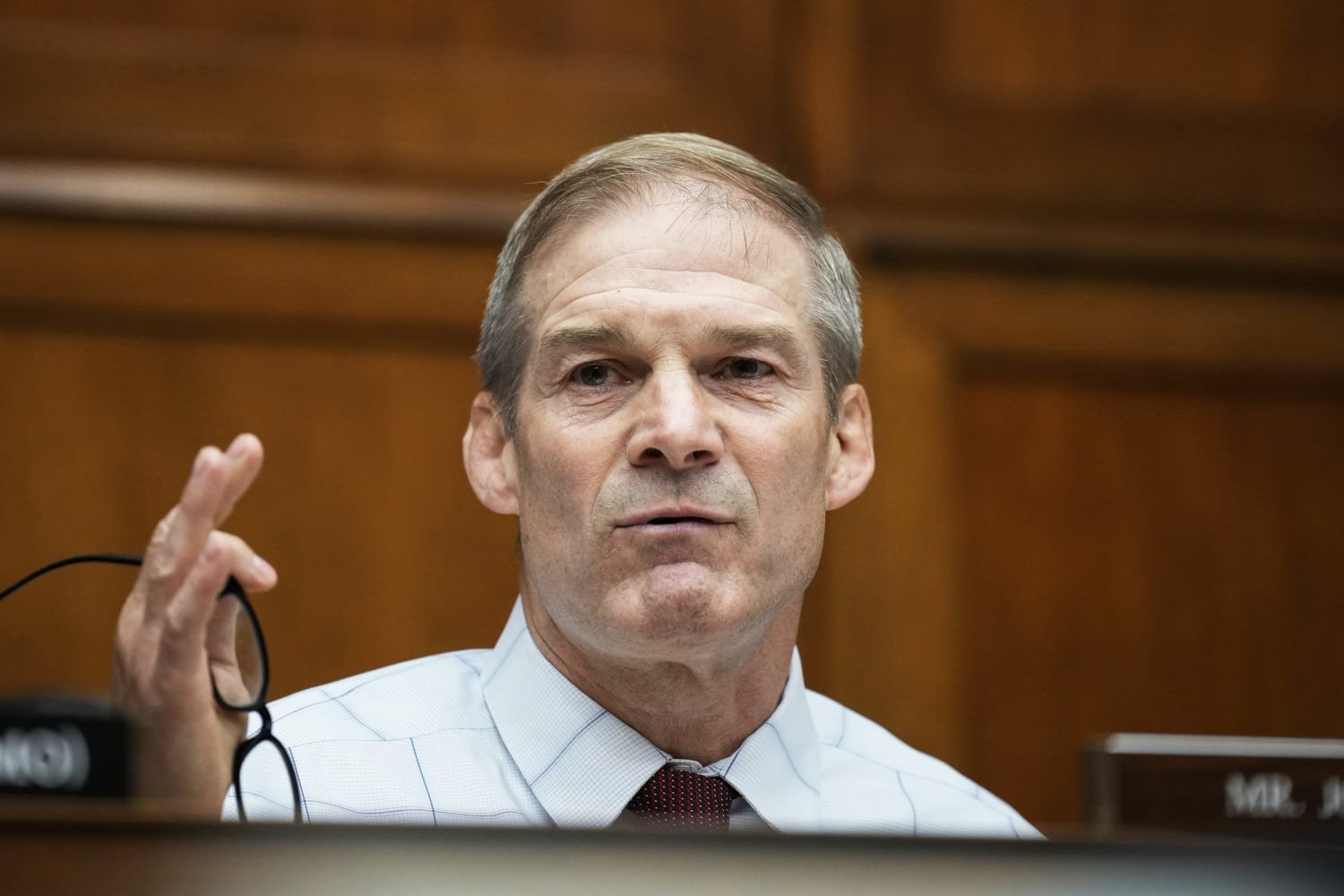
House Judiciary Chairman Jim Jordan has taken a bold stance against the European Union’s Digital Services Act (DSA), raising concerns about its potential impact on free speech and U.S. tech companies. In a recent move, Jordan has demanded answers from the EU Commission regarding how the DSA—a sweeping regulatory framework that includes censorship provisions—will be enforced on American technology giants.
The DSA, which aims to create a safer digital space by holding tech companies accountable for harmful content, has been a subject of intense debate since its introduction. While the EU argues that the legislation is necessary to combat misinformation, hate speech, and other online harms, critics like Jordan warn that it could set a dangerous precedent for global censorship.
In a letter to the EU Commission, Jordan expressed concerns that the DSA could impose “de facto global censorship standards” on U.S.-based platforms such as Meta (formerly Facebook) and X (formerly Twitter). He argued that the law’s enforcement could force these companies to comply with EU speech restrictions, potentially undermining free expression in the United States. Jordan’s letter highlights the broader tension between regulating online content and preserving the principles of free speech, a cornerstone of American democracy.
Jordan has given the EU until February 13 to respond to his inquiries, which include questions about ongoing investigations into American tech platforms and the EU’s broader enforcement strategy under the DSA. His intervention underscores the growing unease among U.S. lawmakers about the extraterritorial reach of foreign regulations and their potential impact on American companies and citizens.
The DSA, which came into effect in 2024, requires large online platforms to implement stringent content moderation policies, increase transparency, and provide users with more control over their online experiences. While the EU has positioned the law as a necessary step to protect users and ensure accountability, critics argue that it could lead to overreach, stifling innovation and free expression.
Jordan’s challenge to the EU reflects a broader debate about the role of government in regulating the digital landscape. As tech companies increasingly operate on a global scale, the clash between differing regulatory frameworks and cultural values has become more pronounced. The U.S., with its strong emphasis on free speech, often finds itself at odds with regions like the EU, where privacy and content regulation are prioritized.
The outcome of this confrontation could have far-reaching implications for the future of the internet. If the EU’s DSA is enforced aggressively on U.S. companies, it could set a precedent for other regions to impose their own standards on global platforms, potentially fragmenting the internet and creating a patchwork of conflicting regulations. On the other hand, if Jordan’s efforts succeed in pushing back against the DSA, it could embolden other nations to resist similar regulatory overreach.
As the February 13 deadline approaches, all eyes will be on the EU’s response to Jordan’s demands. The exchange could mark a pivotal moment in the ongoing struggle to balance the need for online safety with the preservation of free speech and innovation in the digital age.