New York City, often referred to as the city that never sleeps, is facing a growing crisis that has left its residents on edge. The subway system, a lifeline for millions of commuters, has become a hotspot for violent crime, with 2024 marking one of the deadliest years in recent memory. According to reports, the subway saw 10 murders last year—double the number recorded in any year between 1997 and 2019. This surge in violence has left New Yorkers terrified and questioning the effectiveness of current safety measures.
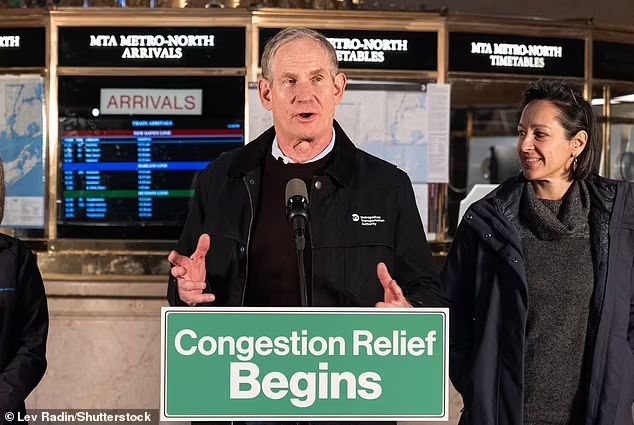
The rise in subway crime comes amid a significant increase in ridership, driven in part by the implementation of congestion pricing in January. The policy, designed to reduce traffic in Manhattan by charging drivers a fee to enter the busiest areas, has pushed more commuters onto public transit. Subway ridership jumped by 13% in January, but this influx of passengers has coincided with a spike in violent incidents, leaving many feeling trapped in an increasingly dangerous system.
While overall major crimes across New York City fell by 16.8% in January, the subway remains a focal point of fear for residents. Despite claims from the NYPD of a 36.4% drop in subway crime, riders say the reality on the ground tells a different story. From stabbings to random shovings, attacks have become alarmingly common, making headlines and fueling anxiety among daily commuters.
One rider, who wished to remain anonymous, shared their experience: “I used to feel relatively safe on the subway, but now I’m constantly looking over my shoulder. It’s not just about being aware of your surroundings anymore—it’s about fearing for your life.” This sentiment is echoed by many who rely on the subway to get to work, school, or other essential destinations.
The surge in crime has also raised questions about the adequacy of current safety measures. While the NYPD has increased its presence in subway stations and on trains, many riders argue that these efforts are not enough to address the root causes of the problem. Calls for more comprehensive solutions, such as improved mental health services, better lighting in stations, and increased funding for public transit, have grown louder in recent months.
City officials are under pressure to act swiftly to restore public confidence in the subway system. Mayor Eric Adams, who has made public safety a cornerstone of his administration, has pledged to address the issue. However, with attacks continuing to make headlines, New Yorkers are growing increasingly impatient for tangible results.
As the city grapples with this crisis, the stakes could not be higher. The subway is not just a mode of transportation—it is a symbol of New York’s resilience and vitality. If the current trend of violence continues, it could have far-reaching consequences for the city’s economy, culture, and way of life.
For now, New Yorkers are left to navigate a system that feels more perilous than ever. As one commuter put it, “We shouldn’t have to choose between getting to work and staying safe. Something has to change—and soon.”
The question remains: will city leaders rise to the challenge, or will the subway’s reputation as a dangerous place become the new normal? Only time will tell.