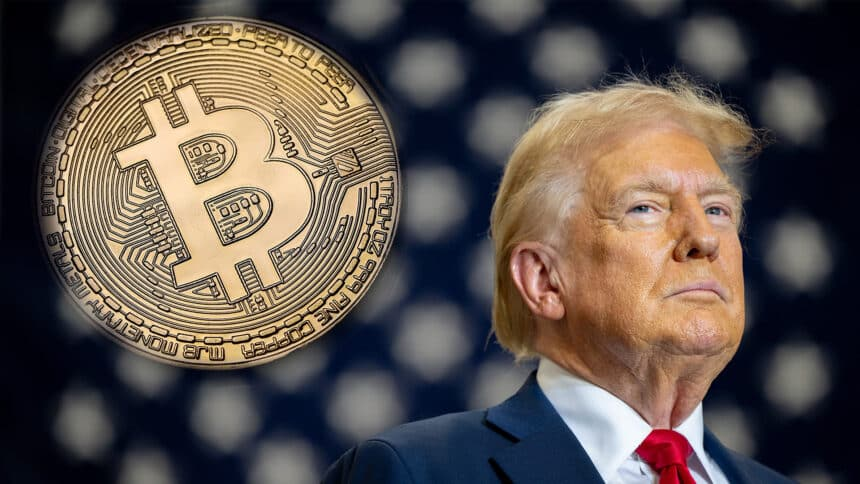
President Donald Trump’s crypto czar, David Sacks, has introduced the GENIUS Act. This groundbreaking legislation aims to establish clear regulatory frameworks for stablecoins and define which federal agency will oversee issuers based on their market size. The announcement has sparked optimism among investors and industry stakeholders, who see the potential for long-term growth and institutional adoption of digital assets.
**A Bipartisan Push for Regulatory Clarity**
The GENIUS Act is backed by a bipartisan, bicameral working group comprising four key congressional committees. This collaborative effort underscores the growing recognition of the need for a unified approach to cryptocurrency regulation. Additionally, the bill seeks to resolve the ongoing jurisdictional battle between the Commodity Futures Trading Commission (CFTC) and the Securities and Exchange Commission (SEC) over the classification of digital assets. By clarifying regulatory responsibilities, the GENIUS Act aims to create a more stable and predictable environment for the crypto industry.
**Why Stablecoins Matter**
Stablecoins, which are cryptocurrencies pegged to stable assets like the U.S. dollar, have become a cornerstone of the digital asset ecosystem. They offer the benefits of blockchain technology—such as fast and low-cost transactions—while minimizing the price volatility associated with other cryptocurrencies like Bitcoin and Ethereum. However, the lack of clear regulations has hindered their widespread adoption, particularly among institutional investors and government entities.
The GENIUS Act addresses this issue by providing a roadmap for stablecoin issuers to operate within a well-defined regulatory framework. This could pave the way for greater institutional participation and even the potential issuance of government-held digital assets.
**Investor Optimism and Long-Term Potential**
The introduction of the GENIUS Act has been met with enthusiasm from investors, who view regulatory certainty as a critical step toward mainstream adoption of cryptocurrencies. With clear rules in place, institutional investors may feel more confident entering the market, potentially driving increased liquidity and stability. Moreover, the legislation could position the U.S. as a global leader in digital asset innovation, attracting investment and talent from around the world.
**A Turning Point for Crypto Policy**
The next few months will be pivotal in determining how blockchain technology integrates into the U.S. financial system. The GENIUS Act represents a turning point in crypto policy, signaling a shift from regulatory ambiguity to a more structured and collaborative approach. As the bill moves through the legislative process, its success could set a precedent for other countries grappling with similar challenges in regulating digital assets.