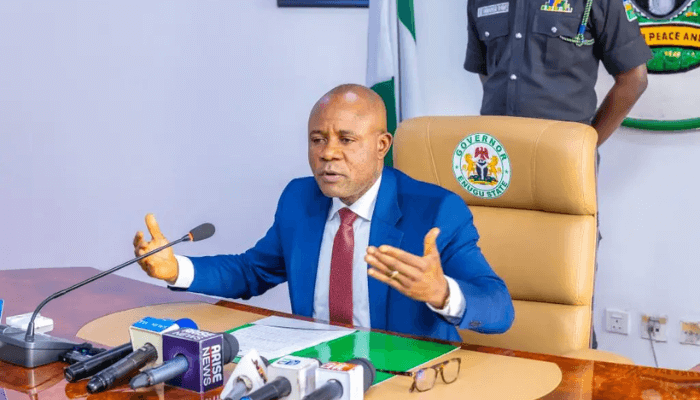
State governments across the nation have announced a new mandate requiring all appointees and employees to undergo mandatory drug testing. This groundbreaking policy was revealed by the National Drug Law Enforcement Agency (NDLEA), which has been at the forefront of the fight against drug abuse and illicit trafficking in the country.
The new directive comes as part of a broader effort to curb the rising tide of substance abuse, which has become a growing concern in both public and private sectors. According to the NDLEA, the policy aims to ensure that individuals in positions of trust and responsibility are free from the influence of illicit substances, thereby fostering a culture of accountability and integrity in governance.
Key Details of the Mandate**
Under the new policy, all newly appointed officials and existing employees of state governments will be required to undergo comprehensive drug screening as a condition of their employment or continued service. The tests will screen for a range of illicit substances, including but not limited to cocaine, cannabis, opioids, and amphetamines.
The NDLEA has emphasized that the initiative is not only about identifying individuals who may be using drugs but also about providing support and rehabilitation for those who test positive. The agency has pledged to work closely with state governments to ensure that affected individuals have access to the necessary resources and treatment programs to overcome substance dependency.
Reactions and Implications**
The announcement has sparked mixed reactions from various stakeholders. Supporters of the policy argue that it is a necessary step to ensure that public servants are fit for duty and capable of making sound decisions. They believe that the measure will help restore public confidence in government institutions and reduce the risks associated with drug abuse, such as impaired judgment and productivity loss.
However, critics have raised concerns about the potential for privacy violations and the stigmatization of individuals who may be struggling with addiction. Some have also questioned the effectiveness of mandatory drug testing, arguing that it may not address the root causes of substance abuse and could lead to unintended consequences, such as discrimination or wrongful termination.
A Broader National Effort**
The mandate aligns with the federal government’s ongoing efforts to combat drug abuse and trafficking. In recent years, the NDLEA has intensified its operations, leading to the seizure of large quantities of illicit drugs and the arrest of numerous traffickers. The agency has also launched public awareness campaigns to educate citizens about the dangers of drug abuse and the importance of seeking help for addiction.
State governments have expressed their commitment to supporting the NDLEA’s efforts by implementing the new drug testing policy and ensuring its effective enforcement. They have also called for collaboration with other stakeholders, including civil society organizations and the private sector, to create a comprehensive approach to tackling the drug crisis.
Looking Ahead**
As the new policy takes effect, all eyes will be on its implementation and impact. Will it succeed in creating a drug-free public service and setting a precedent for other sectors to follow? Or will it face challenges that undermine its objectives? Only time will tell, but one thing is clear: the fight against drug abuse has taken a significant step forward with this bold move by state governments and the NDLEA.
For now, public servants across the country are urged to prepare for the upcoming drug tests, while the broader society watches with anticipation to see how this initiative will shape the future of governance and public health in Nigeria.