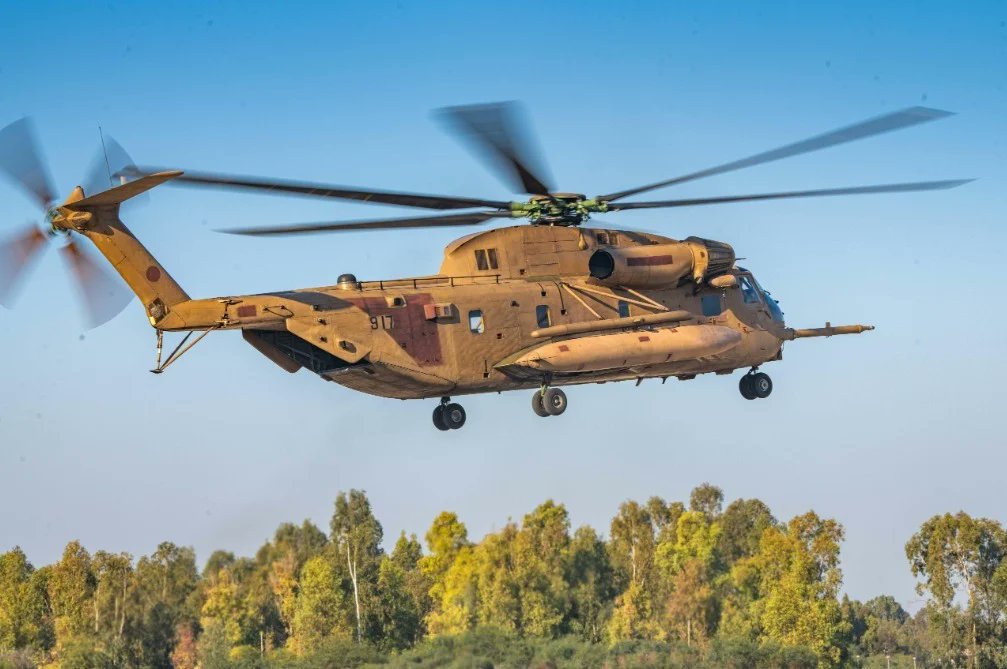
Escalation of tensions along the Israel-Lebanon border, Israeli forces conducted airstrikes near the Lebanese towns of Qlaileh and Zebqine, close to the coastal city of Tyre. The strikes, which took place as Lebanon prepared for the funeral of slain Hezbollah leader Hassan Nasrallah, targeted rocket launchers and weapons sites allegedly belonging to the Iran-backed militant group.
The Israel Defense Forces (IDF) confirmed the operation, stating that the targeted sites posed an “imminent threat” to Israeli civilians. According to the IDF, the rocket launchers and weapons caches were being used by Hezbollah to plan and execute attacks against Israel. The military emphasized that the strikes were a defensive measure aimed at neutralizing immediate threats to Israeli communities near the northern border.
The airstrikes come amid heightened tensions in the region following the assassination of Hassan Nasrallah, a prominent Hezbollah leader, whose death has sparked widespread mourning and anger among the group’s supporters. Nasrallah, who was reportedly killed in an earlier Israeli operation, was a key figure in Hezbollah’s military operations and was known for his role in coordinating attacks against Israeli forces.
Lebanon has condemned the airstrikes, with government officials accusing Israel of violating its sovereignty and exacerbating regional instability. Hezbollah, which holds significant political and military influence in Lebanon, has vowed to retaliate for both the killing of Nasrallah and the recent airstrikes. The group has a long history of armed conflict with Israel, including the 2006 Lebanon War, which resulted in significant casualties on both sides.
The timing of the strikes, coinciding with Nasrallah’s funeral, has raised concerns about a potential escalation in violence. Analysts warn that Hezbollah’s response could lead to a broader conflict, drawing in other regional actors and further destabilizing the already volatile Middle East.
The international community has called for restraint on both sides, with the United Nations urging Israel and Hezbollah to avoid actions that could spiral into a full-scale war. The U.S. State Department also issued a statement, emphasizing the need for de-escalation and reaffirming its commitment to Israel’s security.
As Lebanon mourns the loss of Nasrallah and prepares for potential retaliation, the situation along the Israel-Lebanon border remains tense. The latest airstrikes underscore the fragile nature of the region’s security landscape and the ongoing threat of conflict between Israel and Hezbollah. With both sides on high alert, the coming days will be critical in determining whether the situation can be contained or if it will escalate into a wider confrontation.