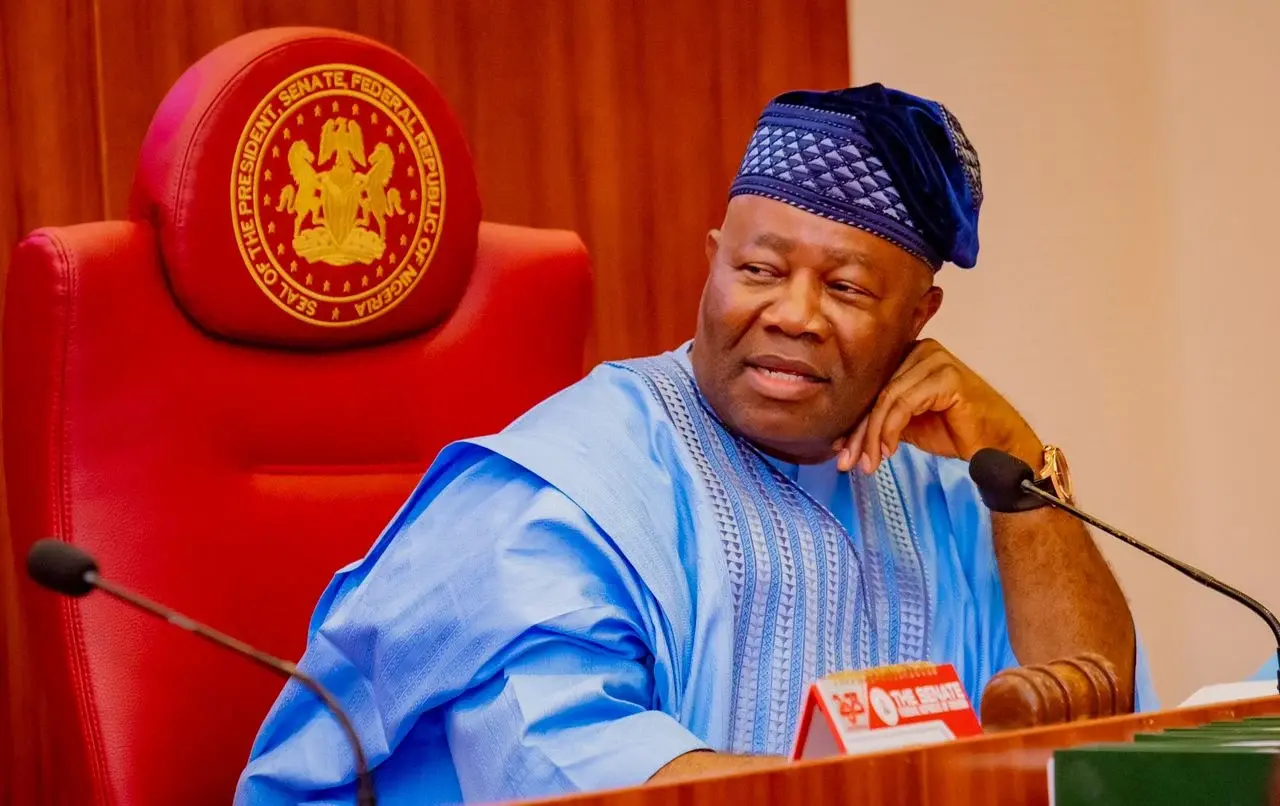
The Socio-Economic Rights and Accountability Project (SERAP) has called on Senate President Mr. Godswill Akpabio to promptly refer the allegations of budget padding to anti-corruption agencies for thorough investigation and prosecution. Additionally, SERAP has urged for the immediate reinstatement of whistleblower Abdul Ningi, who was suspended from the Senate for exposing the irregular insertion of projects worth N3.7 trillion in the 2024 budget.
In a letter dated 16th March 2024 and signed by SERAP’s deputy director Kolawole Oluwadare, the organization emphasized the importance of addressing these allegations to uphold transparency and accountability in the budget process. Referring the matter to the Independent Corrupt Practices and Other Related Offences Commission (ICPC) and Economic and Financial Crimes Commission (EFCC) would demonstrate a commitment to combatting corruption and ensuring public trust in the Senate’s leadership.
SERAP highlighted the critical role of whistleblowers in uncovering corruption and emphasized that no whistleblower should face penalties for disclosing information in the public interest. The organization stressed the need for the National Assembly to adhere to constitutional provisions and international commitments to combat corruption and promote good governance.
Furthermore, SERAP expressed concerns about the lack of transparency and accountability in the implementation of constituency projects, citing the negative impact of budget padding and corruption on public services and development. The organization urged the Senate to discontinue unlawful constituency projects and implement mechanisms to prevent embezzlement and misappropriation of public funds.
By advocating for the protection of whistleblowers and the investigation of budget padding allegations, SERAP aims to strengthen democratic accountability, promote good governance, and combat corruption in Nigeria’s legislative processes.