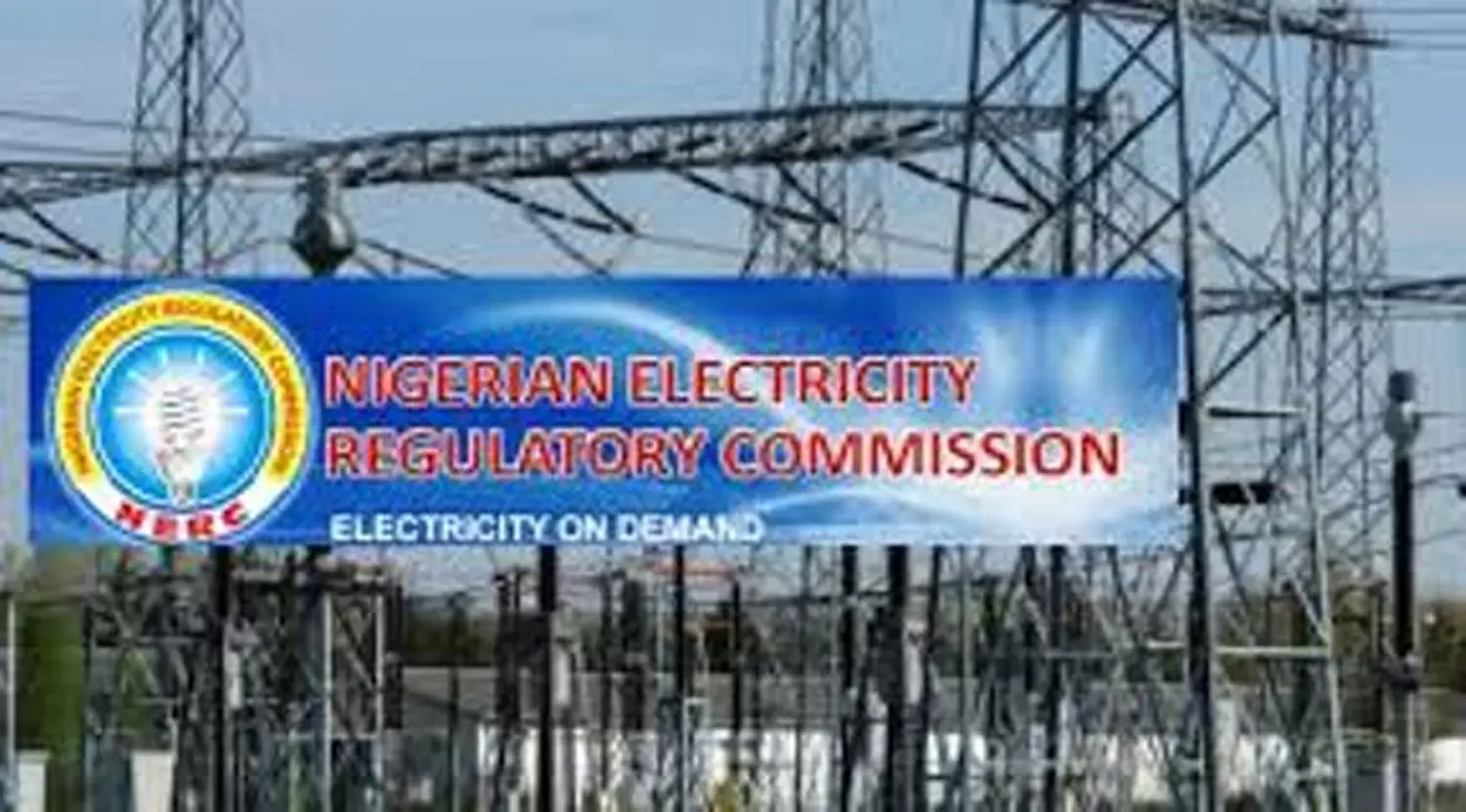
The Manufacturers Association of Nigeria, MAN, has raised concerns regarding the authority of the Nigerian Electricity Regulatory Commission, NERC, to adjust electricity tariffs on a monthly basis without sufficient engagement with consumers and other stakeholders.
MAN, in defense of its objection to the April 2024 Multi-Year Tariff Order (MYTO) that raised electricity tariffs for Band A customers, argued that the continued enforcement of the order could potentially lead to the complete shutdown of the manufacturing sector.
During a public hearing convened by NERC in Abuja on Wednesday, the Director General of MAN, Segun Kadiri, addressed a four-person panel from the Commission led by Vice Chairman Musiliu Oseni. Kadiri emphasized the unsustainable nature of high electricity costs for manufacturers, urging NERC to halt the implementation of the new tariff for Band A consumers to prevent further factory closures due to exorbitant operational expenses.
He underscored the critical role of power for manufacturers, likening it to blood for a human being, constituting a significant portion of operational costs ranging from 28 to 40 percent depending on the manufacturing process’s power intensity. With a 250 percent surge in electricity expenses, Kadiri warned of detrimental effects on the industry, compounded by challenges such as foreign exchange rate fluctuations, removal of petrol subsidies, increased import duties, multiple taxation, and other obstacles.
Kadiri highlighted that while manufacturers acknowledged NERC’s authority, the tariff hike had rendered the sector uncompetitive, jeopardizing profitability and sustainability. He expressed concerns over more than 36 companies already disconnected due to the tariff escalation, stressing that passing on increased costs to consumers would be unfeasible given the current economic challenges.
Furthermore, MAN’s legal representative, Tola Oshodi, acknowledged NERC’s jurisdiction to approve tariffs within the Nigerian Electricity Market but pointed out that the law does not permit monthly tariff reviews. Oshodi argued that NERC’s approval process lacked adequate consultation and time for consumer input, essential for a transparent and inclusive tariff review according to stipulated regulations.
Despite NERC’s probing questioning on the directive to MAN members not to comply with the new tariff and accusations of resorting to self-help, MAN Counsel maintained the necessity for adherence to regulatory procedures and proper stakeholder engagement in tariff adjustments.
In response to MAN’s plea to suspend the tariff hike, power generation and distribution companies contended that such a move would adversely impact their operations, citing ongoing liquidity challenges within the electricity sector. Kola Adesina, Chairman of Sahara Energy, emphasized the financial strain on power producers due to various economic variables, highlighting their inability to pass on all costs to end consumers unlike manufacturers.
CEOs of Ibadan and Jos Distribution Companies, Kingsley Achife and Abdu Mohammed, added that DisCos were also grappling with financial difficulties and profit constraints due to low tariffs. They declared readiness to disconnect manufacturers refusing to comply with the new rates, emphasizing the need for prompt payment to avoid accumulating liabilities. While some manufacturers opted for the old rates owing to financial constraints, they assured flexibility in accommodating payment arrangements to sustain partnerships within the sector.