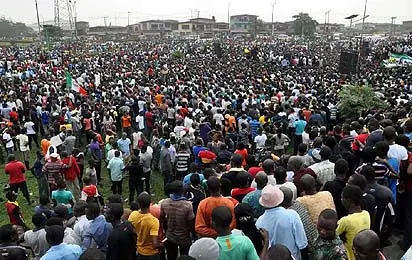
A former Director of the Department of State Services (DSS), Mike Ejiofor, has expressed his belief that the ‘body language’ of former President Goodluck Jonathan played a significant role in preventing the 2012 anti-subsidy removal protest from escalating into violence. Ejiofor made these comments during his appearance as a guest on the Arise TV Morning Show on Friday, where he elaborated on the factors that contributed to the peaceful nature of the protests during that time.
He pointed out that the protesters were able to maintain order and civility because, at that time, the overall situation in the country was not as dire and challenging as it is today. The context of the protests was different, and the atmosphere was less charged, which allowed for a more structured and peaceful demonstration. In contrast, he noted that the current climate is fraught with greater challenges, and frustrations among the populace are much more pronounced.
In related news, Vanguard reported that the DSS has identified individuals and groups believed to be sponsors of the upcoming protest, which is scheduled to commence on August 1. The DSS has issued a warning to those planning to participate in the protest, urging them not to proceed with their plans, as it may not serve the best interests of Nigeria at this time.
Ejiofor stated, “The 2012 protest didn’t turn violent, primarily due to the body language of the sitting president at that time. He allowed things to unfold without heavy-handed intervention, and the circumstances were not as severe as what we are facing now. Currently, the situation is ripe for exploitation because many people are hungry, desperate, and looking for any outlet to express their frustration and anger.”
He emphasized that while it is the constitutional right of citizens to protest, the organizers of the upcoming demonstrations have done a commendable job by providing ample notice to the government regarding their intentions. This advance warning has allowed various stakeholders and interest groups to appeal to the organizers to reconsider their plans for the protest.
Ejiofor cautioned, “Regardless of the good intentions behind the protests, I firmly believe that they could ultimately be hijacked by individuals with ulterior motives.” He pointed out that some of those opposing the protests might be doing so out of self-interest rather than genuine concern for the public good. He urged President Tinubu to broaden his consultations to include the voices of ordinary Nigerians at the grassroots level, stressing the importance of the President addressing the nation directly through a public broadcast.
He remarked, “When we examine their demands, it becomes evident that there is significant economic hardship affecting the country, leading to widespread hunger and anger among the populace. However, it is crucial to recognize that those who are experiencing the most profound hunger may take advantage of the situation to engage in looting or other violent acts, which could ultimately lead to chaos and unrest. This is why we continue to appeal to the organizers to reconsider their plans and allow the government some time to address their concerns.”
Ejiofor reiterated that while nobody is suggesting that citizens should refrain from protesting, it is essential to ensure that such protests do not devolve into violence. The government has a responsibility to protect the state and its innocent citizens from harm. He concluded by stating that the fundamental point remains that people have the right to protest, provided it is done peacefully and does not escalate into violence.
Furthermore, he noted that it is vital for the ordinary citizen to be informed about the current situation in the country, as many people lack access to electricity or other means to stay updated on national events. He believes that a direct address from the President to the people, perhaps in the form of a national broadcast, would be beneficial in alleviating some of the tensions and uncertainties that currently exist within the nation. This communication could serve to bridge the gap between the government and the citizens, fostering a greater understanding of the challenges at hand.