The Minister of Power, Chief Adebayo Adelabu, highlighted significant challenges plaguing the growth of the power sector in the country during a discussion on Wednesday. He particularly pointed out the issues of electricity consumers refusing to pay their bills and the rampant energy theft that continues to hinder progress. These factors have been detrimental to the development efforts in the power industry, which is critical for the nation’s infrastructure and economic growth.
This statement came to light while the Minister received members of the Civil-Military Cooperation (CIMICO) Civil Committee on Energy in Abuja. In his remarks, he also identified the ongoing difficulties faced by the sector as being rooted in the “past actions or inactions of previous administrations.” He emphasized that the current state of the power sector cannot be addressed without recognizing the historical context that has led to its current challenges.
Reflecting on the developments under President Bola Ahmed Tinubu’s administration over the past year, Chief Adelabu indicated that a series of forward-thinking measures have set the power sector on a much-needed path to growth. He stressed that adopting a cost-reflective tariff system is crucial, as this change is likely to result in a more stable and reliable power supply for the nation. It is essential for all stakeholders to understand that financial sustainability in the power sector hinges on consumer accountability.
Chief Adelabu expressed his concerns over the current situation in the power sector, stating, “What we have seen in the power sector today is a direct reflection of the actions and inactions of past administrations. Over 60 years since our independence, we have consistently failed to implement the necessary reforms that would benefit the power sector.” He elaborated that, given Nigeria’s population of approximately 220 million, it is alarming that the country is still generating around 5,000 megawatts of power. In comparison, South Korea, with a population of only 49 million, boasts an impressive 130,000 megawatts of power generation capacity.
In outlining what he believes are the three major challenges undermining the achievements made thus far, Chief Adelabu first cited the widespread refusal among electricity consumers to pay their bills. He poignantly noted, “There is nobody that wants to run a business and isn’t compensated for their efforts. If that happens, they will inevitably close shop.” He noted a recent achievement on August 9, when power generation hit a significant milestone of 5,155 megawatts, marking the highest output recorded in three years. When his administration commenced its tenure, they inherited a situation where power generation was around 4,000 megawatts or even less. The increase noted over the past year represents approximately a 27% growth.
While he found this progress commendable, Chief Adelabu stressed the need for sustainability. He stated, “For these gains to be sustained, consumers must be prepared to fulfill their financial responsibilities.” He went on to call for a united effort against power theft, urging civil societies to foster a culture of accountability. “When individuals notice any suspicious activity, they should feel empowered to report it,” he said. He explained that many welders, for instance, engage in illicit practices by connecting wires at night when most people are asleep. Additionally, he noted that many consumers were bypassing their electricity meters, which poses a serious threat to the operational integrity of the power sector.
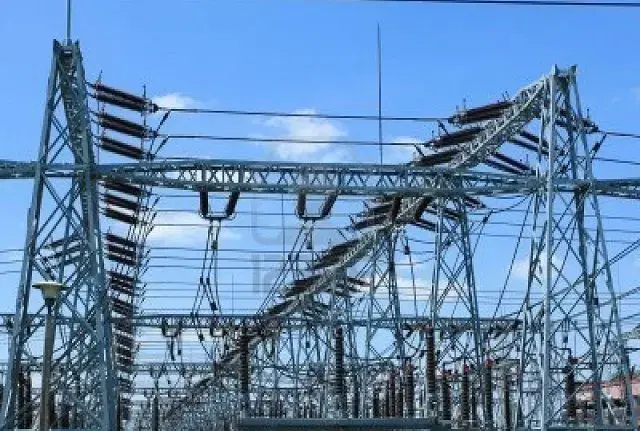
The Minister also addressed the critical issue of vandalization. He urged citizens to take responsibility for protecting power infrastructures, such as transmission lines and transformers, which are frequently targeted and vandalized. He acknowledged the efforts of police and other security agencies, yet he firmly believed that the overall protection of these facilities relies heavily on community vigilance and collective action. “It is imperative that we keep educating our citizens on the importance of safeguarding these vital assets,” he asserted, emphasizing the necessity for ongoing awareness campaigns to enhance public engagement in protecting the power sector’s infrastructure.
In a related vein, Mr. Adams Otakwu, the Leader of the Civil-Military Cooperation (CIMICO) Civil Committee on Energy, underscored the importance of protecting power sector infrastructures as a strategy for achieving energy security in Nigeria. He articulated that the nation’s overall economic growth heavily relies on the availability of adequate and stable power supply. Mr. Otakwu expressed his commitment to supporting the Federal Government’s initiatives aimed at combating vandalism and energy theft within the power sector. His statements echoed the urgent need for cooperation between civil society and the government to restore efficiency and integrity to Nigeria’s power infrastructure.