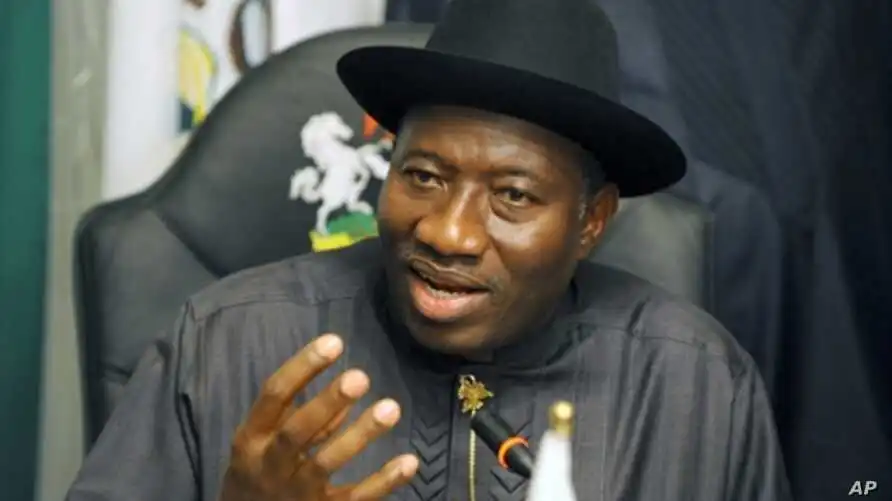
Former President Goodluck Jonathan has called upon the Church to take on a pivotal role in spearheading the advancement of Nigeria’s healthcare system. This urgent request for leadership in healthcare reform was articulated during his keynote speech at the inaugural Church of Nigeria Anglican Communion Health Summit held in Abuja on Wednesday.
Jonathan, who was represented by Professor John-Kennedy Opara, the former Executive Secretary of the Nigeria Christian Pilgrims Commission (NCPC), emphasized the Church’s long-standing and significant contributions to the fields of health and education throughout Nigerian history. He highlighted how the Church has often been a vital player in addressing societal needs, particularly in regions where government presence and infrastructure may be lacking.
Reflecting on Nigeria’s historical challenges, particularly the Ebola crisis that gripped the nation in 2014, Jonathan took a moment to commend the valiant efforts and sacrifices made by healthcare workers, such as Dr. Stella Adadevoh, who tragically lost their lives while caring for others. His acknowledgment of these heroes serves to remind us of the critical role healthcare professionals play in safeguarding public health, often at great personal risk.
Additionally, he pointed to the National Health Act, which was enacted during his administration, as a crucial piece of legislation that has contributed to significant improvements in healthcare access for millions of Nigerians across various states. The former President explained that the National Health Act of 2014 established a comprehensive framework aimed at ensuring the provision of essential health services, efficient management of health resources, and the protection of patients’ rights within the country’s healthcare system.
He detailed how, as a result of this Act, more than 10 million Nigerians now benefit from health insurance made available through several state social health insurance schemes. This achievement is a testament to the progress made, but Jonathan was quick to note that challenges still persist, particularly regarding health insurance enrollment and disparities in healthcare access among different populations across the nation. He specifically called upon the Anglican Church to take a proactive stance in addressing these disparities by leading initiatives that promote health insurance enrollment, thereby ensuring that more citizens can access the healthcare services they require.
In his remarks, he also urged faith-based organizations to utilize their substantial influence within communities to advocate for fair and equitable healthcare policies. This includes fostering partnerships and collaborations with both governmental bodies and private sector entities, as these alliances can greatly enhance efforts aimed at improving the overall health landscape in Nigeria. Jonathan declared, “The Church must harness its platforms and resources to lead a transformative health initiative that ensures that no Nigerian is left behind in the quest for quality, affordable healthcare.” This call to action emphasizes the moral obligation of the Church to be at the forefront of health initiatives that resonate with its core values of compassion and service to others.
The Primate of All Nigeria Anglican Church, Most Rev. Henry Ndukuba, subsequently outlined a visionary framework intended to integrate holistic health into the Church’s broader mission. Ndukuba articulated a clear vision for how the Church can embrace a multifaceted approach to health that underscores the importance of overall well-being in accordance with both Biblical teachings and contemporary health standards.
He emphasized the Church’s historical role in pioneering healthcare within Nigeria and recalled early efforts that led to the establishment of clinics and hospitals dating back to the 19th century. He urged a renewed commitment towards comprehensive healthcare that encompasses not only physical health but also mental and spiritual well-being, all of which are necessary for individuals to thrive as whole persons.
Addressing the urgent need for the Church to confront Nigeria’s healthcare challenges—compounded by systemic corruption and a lack of adequate governmental response—Ndukuba proposed a series of strategic initiatives. These included establishing the Church of Nigeria Health Commission, which aims to streamline and standardize healthcare services across the Church’s network. Such an initiative could significantly enhance the effectiveness and clarity of healthcare provision linked to the Church’s activities.
He further advocated for the creation of a Health Maintenance Organisation (HMO) that specifically caters to the healthcare needs of Nigerians, thereby providing more structured and accessible health plans for community members. The Primate also emphasized the necessity for developing local pharmaceutical production capabilities, which would empower the Church to meet the healthcare needs of its congregants more effectively. Additionally, he recommended establishing fellowships for healthcare professionals to strengthen the Church’s medical outreach efforts and ensure that those serving within the Church are well-equipped with the necessary knowledge and resources.
Highlighting the potential for the Church to take a leadership role in healthcare and positively transform community well-being, Ndukuba encouraged Christian healthcare professionals to seize this significant “Kairos moment” for impactful service in their communities. His address set an important precedent for the summit’s mission, aiming to develop a comprehensive health policy and blueprint that would advance the Church’s role in holistic health ministry and ensure that it aligns with both faith and practice.
Contributing to the discussions, Mr. Peter Nmadu, Chairman of the National Steering Committee, stressed the critical importance of integrating healthcare into the Church’s overarching mission. He acknowledged the numerous challenges faced, including recent health crises that highlight the need for an organized and coordinated response.
Nmadu took the opportunity to express his gratitude to church leadership and all participants involved in the summit, urging a united collective effort to pave the way toward a healthier future not only for the Church but also for society as a whole. The News Agency of Nigeria (NAN) reported that the overarching aim of the summit is to thoroughly assess the Church’s historical contributions to healthcare, develop robust strategies for ongoing improvements, and ultimately establish a comprehensive health policy that promotes the Church’s integral role in health and wellness initiatives across the nation.