I. SpaceX: Starship’s Turbulent Path to Mars
Starship Flight 7: A Fiery Mishap
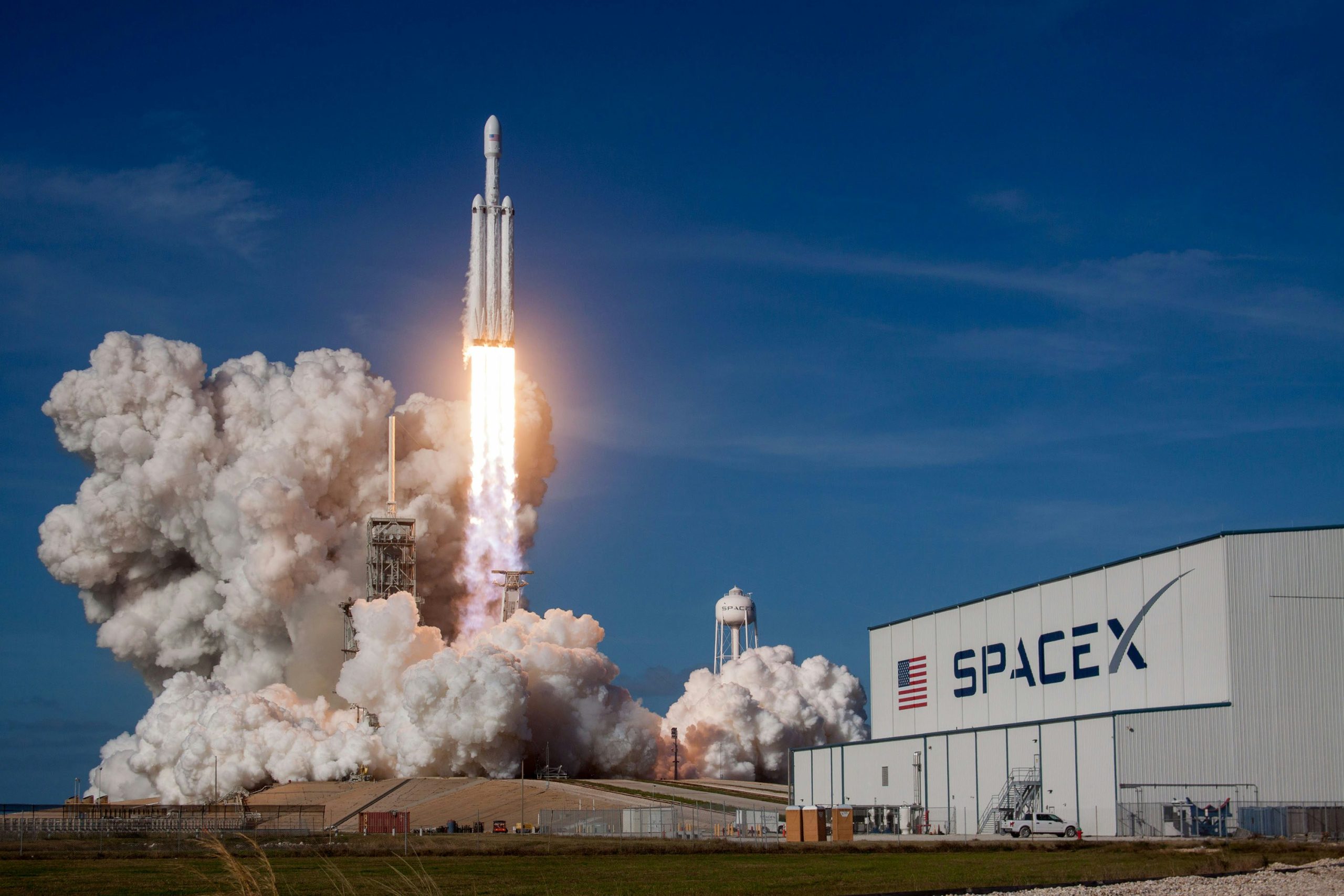
SpaceX’s seventh Starship test flight on January 16, 2025, ended explosively eight minutes after liftoff. The Block 2 upper stage (Ship 33) experienced cascading engine failures, leading to a propellant leak and breakup over the Turks and Caicos Islands. Debris, including heat shield tiles, rained down, prompting airspace closures and an FAA-mandated investigation 46. Environmental scientists raised alarms over potential atmospheric pollution, estimating the release of 45.5 metric tons of metal oxides and 40 tons of nitrogen oxides, though much debris fell into the ocean 12.
Flight 8: Redemption in Progress
Despite the setback, SpaceX is pushing for Flight 8 in February 2025. The mission will reuse Booster 15 and Ship 34 (Block 2 design) to re-test heat shield resilience, engine reliability, and dummy Starlink satellite deployment. However, orbital attempts and ship recovery are delayed due to unresolved technical issues from Flight 7 29.
Key Challenges:
FAA Scrutiny: The FAA has mandated a mishap investigation, requiring SpaceX to address root causes (e.g., fire suppression systems) before Flight 8 46.
Political Pressures: Elon Musk’s ties to the Trump administration have sparked debates about regulatory leniency, though the FAA remains firm on safety protocols 4.
Looking Ahead:
SpaceX aims for 25 launches in 2025, but Flight 8’s success is critical for advancing Mars colonization plans. The company is also preparing for NASA’s PUNCH and SPHEREx missions on February 27, launching sun-studying satellites aboard Falcon 9 rockets
II. Blue Origin: Lunar Ambitions Take Flight
NS-29: Simulating Moon Gravity
On February 4, Blue Origin launched its New Shepard NS-29 mission, carrying 30 payloads (29 lunar tech experiments) to suborbital space. The capsule spun at 11 RPM to simulate lunar gravity, testing in-situ resource utilization, dust mitigation, and habitat systems for NASA’s Artemis program 37.
Mission Highlights:
NASA Collaboration: Over half the payloads were NASA-funded, including advanced sensors and entry systems 7.
Reusability Milestone: The New Shepard booster landed successfully, marking its 29th flight and ninth research-focused mission 3.
New Glenn’s Debut and EscaPADE
Blue Origin’s New Glenn rocket (320 ft tall) completed its maiden orbital launch in January 2025. Up next: the EscaPADE mission in spring 2025, sending two Mars probes to study solar wind interactions with the planet’s magnetosphere 315.
Strategic Goals:
Competing with SpaceX in heavy-lift launches.
Supporting NASA’s lunar and Mars exploration through reusable tech.
III. Meta’s Fact-Checking Overhaul
Community Notes Replace Experts
In February 2025, Meta replaced human fact-checkers with a crowdsourced “Community Notes” system akin to X (formerly Twitter). Users now flag and contextualize misinformation, with AI prioritizing widely accepted corrections 3.
Implications:
Pros: Faster response to viral claims and reduced bias.
Cons: Risks of manipulation and uneven accuracy in niche topics.
Context:
This shift aligns with Meta’s cost-cutting trends and follows criticism over partisan moderation. However, experts warn it may amplify conspiracy theories during events like the 2024 U.S. election aftermath
Conclusion: Innovation vs. Accountability
SpaceX and Blue Origin are redefining space access but face technical and regulatory hurdles.
Meta’s policy shift reflects a broader tech industry pivot to decentralized moderation—a gamble with high stakes for public trust.