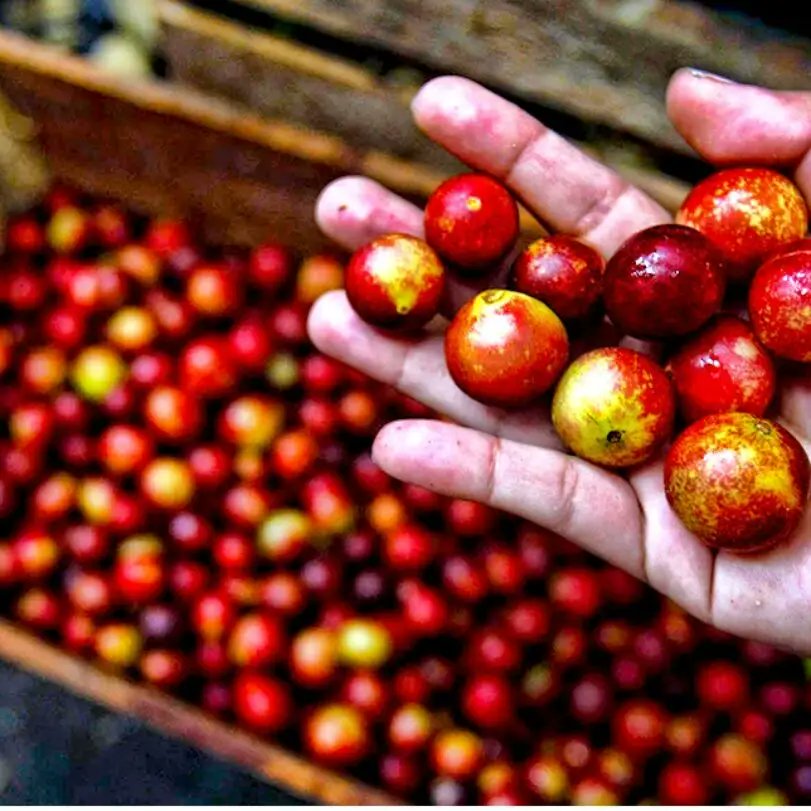
The study from Université Laval highlights the potential of camu-camu, an Amazonian fruit, as a natural intervention for non-alcoholic fatty liver disease (NAFLD), a condition that has become increasingly prevalent worldwide. NAFLD is characterized by the accumulation of excess fat in the liver of individuals who consume little to no alcohol, and it is often associated with obesity, insulin resistance, and metabolic syndrome. If left untreated, NAFLD can progress to more severe conditions such as non-alcoholic steatohepatitis (NASH), cirrhosis, or even liver cancer.
Participants who consumed camu-camu extract over a 12-week period experienced a significant reduction in liver fat while those in the placebo group saw an increase. This represents a notable difference between the two groups, underscoring the fruit’s potential efficacy in managing liver fat. The researchers attribute the beneficial effects of camu-camu to its high levels of polyphenols and vitamin C. These compounds are known for their antioxidant and anti-inflammatory properties. Specifically, they may reduce fat production in the liver by modulating metabolic pathways and enhance fat breakdown (lipolysis) and promote the oxidation of fatty acids, thereby reducing fat accumulation.
Given the lack of approved pharmacological treatments for NAFLD, camu-camu could offer a natural, accessible, and cost-effective alternative. Its ability to target liver fat directly makes it a promising candidate for further research and development. With NAFLD affecting approximately a quarter of the global population, the findings could have significant public health implications. Camu-camu could be integrated into dietary recommendations or used as a supplement to help manage or prevent the disease. While camu-camu shows promise, it is likely most effective when combined with lifestyle modifications such as a healthy diet, regular exercise, and weight management—cornerstones of NAFLD treatment.
Although the results are encouraging, larger and longer-term studies are needed to confirm these findings and explore potential side effects or interactions with other medications. Additionally, research could investigate whether camu-camu has similar benefits for other metabolic conditions, such as type 2 diabetes or cardiovascular disease. Camu-camu (*Myrciaria dubia*) is a small, sour fruit native to the Amazon rainforest. It is renowned for its exceptionally high vitamin C content—significantly higher than that of oranges or acerola cherries. It also contains a variety of bioactive compounds, including flavonoids, ellagic acid, and anthocyanins, which contribute to its antioxidant and anti-inflammatory properties.
The study offers hope for individuals with NAFLD and highlights the untapped potential of natural foods like camu-camu in addressing modern health challenges. As research continues, camu-camu could emerge as a valuable tool in the fight against metabolic diseases, emphasizing the importance of preserving and studying biodiversity for human health.