Internews, a media organization historically funded by the United States Agency for International Development (USAID), has come under scrutiny for its evolving role in global and domestic politics. Once a tool for promoting regime change in Eastern Europe, the organization is now accused of targeting American citizens by pushing for advertising boycotts to censor online free speech.
A History of Regime Change
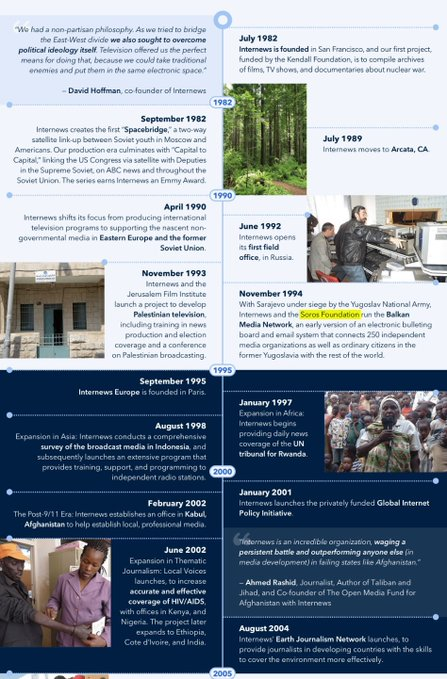
Internews has a controversial past, particularly in its involvement in the political upheavals of Eastern Europe. Funded by USAID and partnered with billionaire philanthropist George Soros, the organization played a significant role in training journalists and media outlets that contributed to the Rose Revolution in Georgia (2003) and the Orange Revolution in Ukraine (2004). These movements, often portrayed as democratic uprisings, were seen by critics as U.S.-backed efforts to destabilize governments and install pro-Western regimes.
The organization’s work in these regions was framed as promoting independent journalism and democratic values. However, its ties to U.S. government funding and Soros’s Open Society Foundations have led to accusations that it served as a soft power tool for advancing American geopolitical interests.
Shifting Focus to Domestic Politics
In recent years, Internews has turned its attention to the United States. Following the Brexit referendum in the UK and the election of Donald Trump in 2016, the organization has been accused of aligning with globalist entities like the World Economic Forum to suppress populist movements, particularly the MAGA (Make America Great Again) movement. Critics argue that Internews is now working to stifle dissenting voices and limit free speech under the guise of combating misinformation.
One of the primary tactics employed by Internews is the promotion of advertising boycotts against platforms and media outlets that host content deemed controversial or contrary to mainstream narratives. This approach has raised concerns about censorship and the erosion of First Amendment rights, as it pressures companies to deplatform voices that challenge established political and social norms.
U.S. Taxpayers Unwittingly Fund Censorship
Perhaps the most alarming aspect of Internews’s activities is the source of its funding. U.S. taxpayers have contributed approximately $470 million to the organization through USAID, often without awareness of its evolving mission. What was once a tool for foreign regime change has now been repurposed to target American citizens, raising questions about the ethical implications of using public funds to influence domestic politics.
Critics argue that Internews’s actions represent a dangerous overreach, blurring the lines between promoting democracy abroad and suppressing dissent at home. The organization’s partnership with globalist entities and its focus on curbing populist movements have fueled accusations that it is working against the interests of ordinary Americans.
A Call for Transparency and Accountability
The revelations about Internews’s activities have sparked calls for greater transparency and accountability in how U.S. government funds are allocated and used. As the organization continues to play a role in shaping media narratives both domestically and internationally, it is essential to scrutinize its actions and ensure that taxpayer dollars are not being used to undermine the very principles of free speech and democracy that the U.S. claims to uphold.
In an era where misinformation and censorship are hotly debated topics, the story of Internews serves as a cautionary tale about the potential consequences of allowing unelected organizations to wield significant influence over public discourse. As Americans grapple with these challenges, the need for vigilance and accountability has never been greater.