Russia and Ukraine continues to grip the world’s attention, speculation is mounting over former U.S. President Donald Trump’s alleged plans to broker a swift resolution to the war. At the center of these rumors is Keith Kellogg, Trump’s envoy for Russia-Ukraine affairs, who has been quietly working behind the scenes to craft strategies aimed at ending the hostilities. This development has reignited discussions about Trump’s long-promised “quick resolution” to the crisis, though details remain shrouded in secrecy.
Kellogg, a retired lieutenant general and former national security advisor under Trump, has been instrumental in shaping the former president’s foreign policy approach. Despite widespread speculation, Kellogg confirmed that he will not unveil any formal proposal at the upcoming Munich Security Conference, a key gathering of global leaders and defense officials. This has only fueled further intrigue about the nature of the plan and its potential implications for the ongoing conflict.
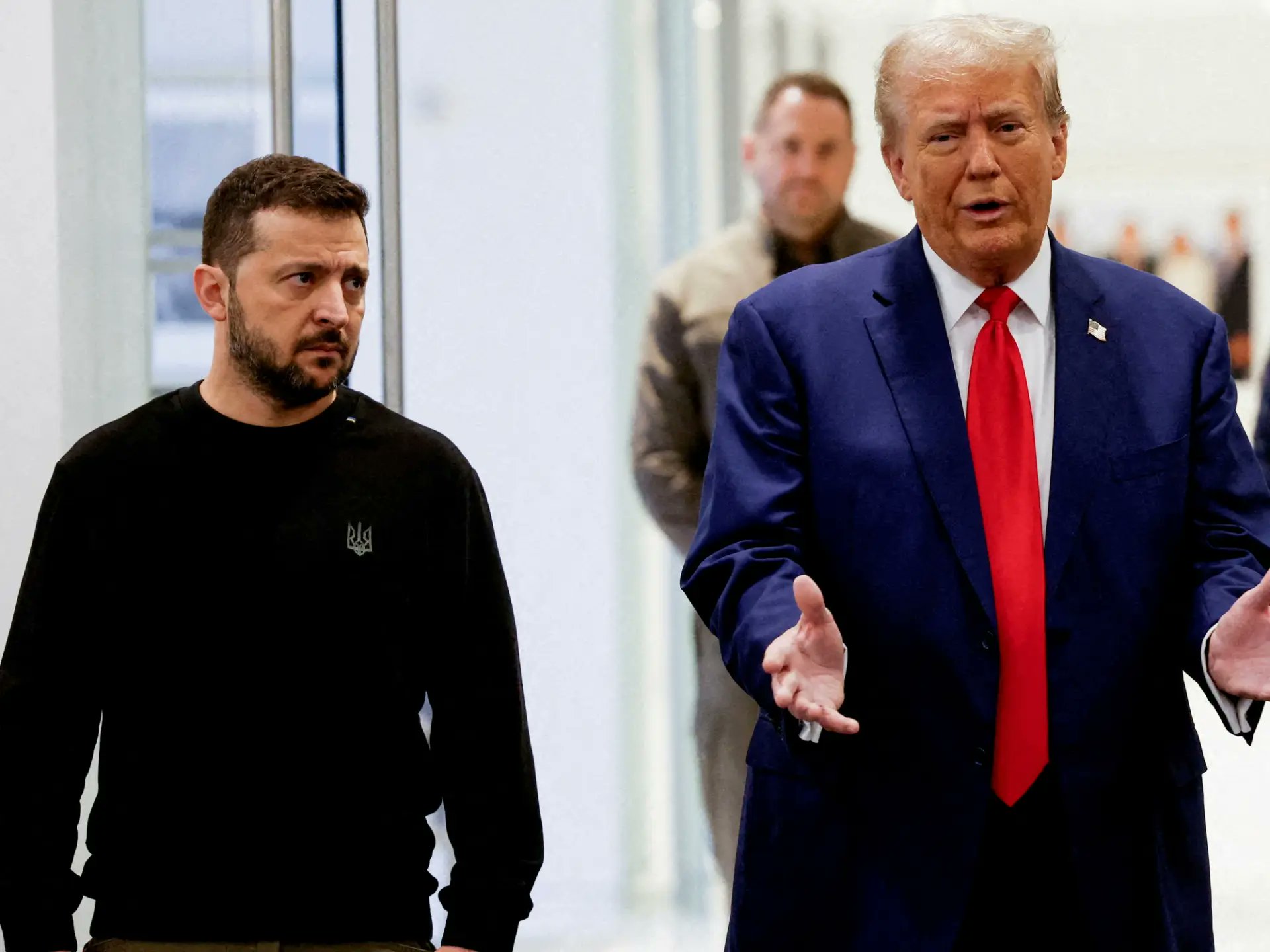
Trump himself has added to the mystery. Speaking aboard Air Force One, he hinted at progress in his efforts to mediate peace but remained tight-lipped about specifics, particularly regarding his communications with Russian President Vladimir Putin. Trump’s reluctance to disclose details has left many wondering whether a breakthrough is imminent or if the former president is merely testing the waters for a potential return to the international stage.
On the Russian side, the Kremlin has maintained a cautious stance, offering little comment on Trump’s alleged peace efforts. Putin, however, has reiterated his longstanding demands for any resolution to the conflict: Ukraine must abandon its ambitions to join NATO and cede territory currently under Russian control. These conditions have been a non-starter for Ukrainian President Volodymyr Zelensky, who has consistently rejected any deal that compromises Ukraine’s sovereignty or territorial integrity.
Adding an unexpected twist to the situation, Trump has reportedly floated the idea of a deal that would exchange U.S. aid to Ukraine for access to the country’s vast reserves of rare minerals. Ukraine is home to significant deposits of critical resources like lithium, which are essential for modern technologies, including electric vehicles and renewable energy systems. While the proposal remains in its early stages, Zelensky appears open to exploring such an arrangement, signaling a potential shift in the dynamics of U.S.-Ukraine relations.
The prospect of a Trump-brokered peace deal has sparked mixed reactions. Supporters argue that his unconventional approach could bring a fresh perspective to the stalled negotiations, while critics warn that any agreement favoring Russian interests could undermine Ukraine’s sovereignty and set a dangerous precedent for international conflicts.
As the world watches closely, the question remains: Is Trump’s secret Ukraine peace plan a genuine effort to end the war, or is it merely a political maneuver ahead of the 2024 U.S. presidential election? For now, the details are elusive, but one thing is certain—the stakes could not be higher for Ukraine, Russia, and the global order.