Friedrich Merz, leader of the Christian Democratic Union (CDU), cast his vote in the European elections after emphasizing the need for a strong Germany within the European Union. Polls indicate that Merz’s CDU/CSU alliance is leading with 30% of the vote, significantly ahead of Chancellor Olaf Scholz’s Social Democratic Party (SPD), which trails behind. Meanwhile, the far-right Alternative for Germany (AfD) is poised to secure second place with 20% of the vote, reflecting a shifting political landscape in the country.
Speaking to reporters after casting his ballot, Merz underscored the importance of the election, calling it a decisive moment for Germany and Europe. “None of us can be sure today that what we have had for 75 years will continue,” he declared, alluding to the stability and prosperity Germany has enjoyed since the post-war era. His remarks highlight growing concerns about the future of the European Union and Germany’s role in maintaining its unity and strength.
The CDU/CSU’s strong showing in the polls suggests a resurgence of conservative influence in German politics, following years of declining support. Merz has positioned himself as a staunch advocate for a robust Germany that can lead the EU through challenging times, including economic uncertainty, geopolitical tensions, and the rise of populist movements. His campaign has focused on strengthening Germany’s economy, securing its borders, and reinforcing its commitment to European integration.
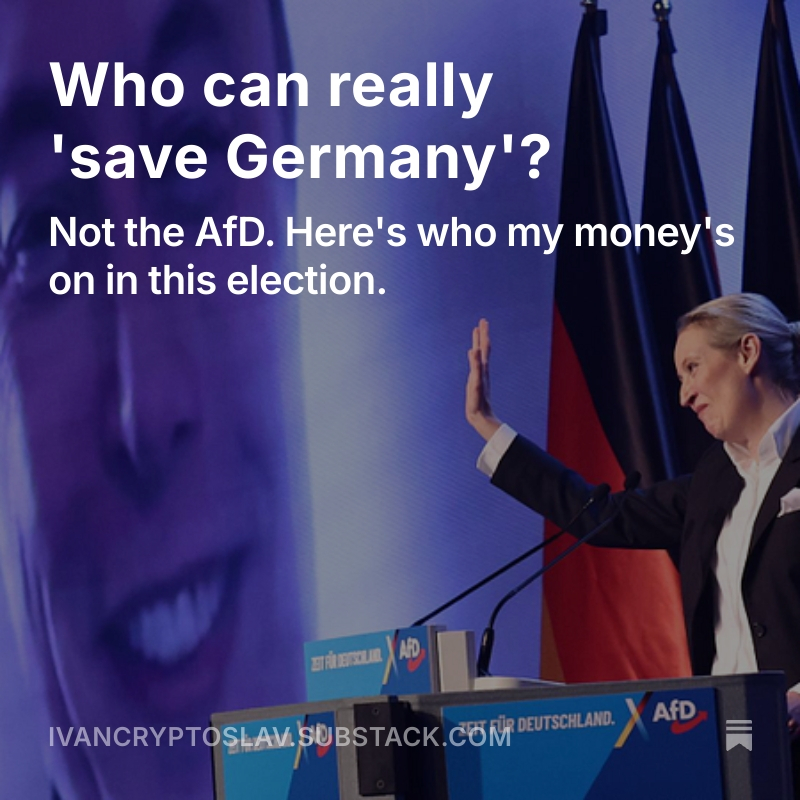
However, the rise of the AfD, which is set to finish second in the polls, signals a growing appetite among some voters for more radical alternatives. The AfD’s anti-immigration and Eurosceptic platform has resonated with a significant portion of the electorate, particularly in eastern Germany. This development has raised concerns among mainstream parties about the potential for increased polarization and the impact on Germany’s traditionally consensus-driven politics.
Chancellor Olaf Scholz’s SPD, currently in power as part of a coalition government, has struggled to maintain its voter base, with the party lagging behind both the CDU/CSU and the AfD. The SPD’s challenges reflect broader dissatisfaction with the government’s handling of issues such as inflation, energy security, and immigration. Scholz’s coalition, which includes the Greens and the Free Democratic Party (FDP), has faced internal divisions, further complicating its ability to present a united front.
As the results of the European elections unfold, the strong performance of the CDU/CSU under Merz’s leadership suggests a potential shift in Germany’s political trajectory. Merz’s vision of a strong Germany within a resilient EU appears to have struck a chord with voters, even as the rise of the AfD underscores the challenges posed by populism and discontent.
The outcome of this election will not only shape Germany’s role in the European Union but also set the stage for the next federal election, where Merz and the CDU/CSU will likely seek to capitalize on their current momentum. For now, Merz’s message is clear: Germany must remain a pillar of stability and leadership in an increasingly uncertain world.