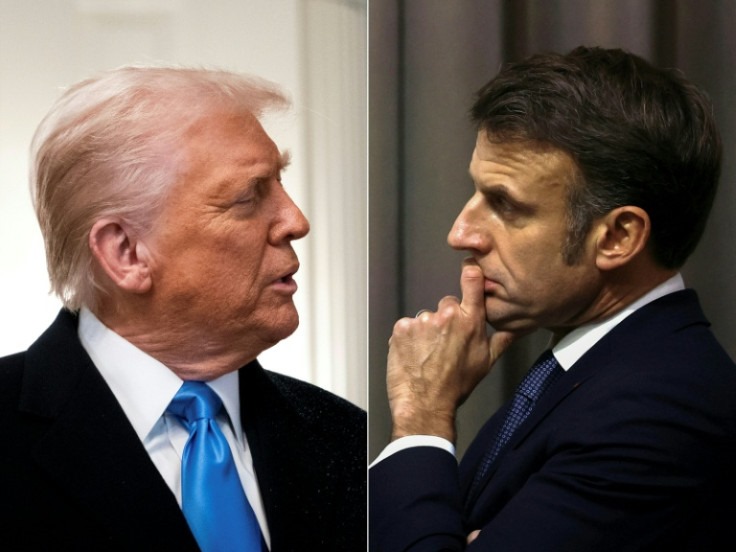
French President Emmanuel Macron is set to present a comprehensive peace plan for Ukraine to President Donald Trump, aiming to forge a united Western response to the ongoing conflict. This move comes after Trump’s recent comments on the war and his direct approach to Russian President Vladimir Putin, which have caused unease among European leaders. Macron’s initiative underscores the growing concern in Europe over the need to maintain a cohesive stance against Russian aggression.
Macron’s primary objective is to persuade Trump to continue supporting Ukraine’s sovereignty, emphasizing that Russia poses an “existential threat” not only to Ukraine but to the entire Western world. The French leader’s efforts are part of a broader strategy to ensure that the United States remains a key player in the geopolitical struggle against Moscow, even as domestic political dynamics in the U.S. shift.
In a notable collaboration, Macron has joined forces with UK Prime Minister Keir Starmer to propose a plan that includes the deployment of European troops as a post-peace deterrent. However, these troops would not serve as frontline fighters but rather as a stabilizing force to prevent future escalations. The two leaders are expected to press Trump for logistical and intelligence support rather than direct military involvement, aiming to alleviate the burden on the U.S. while keeping it engaged in the conflict.
Additionally, Macron and Starmer plan to pledge increased defense aid from the European Union, signaling a commitment to share the responsibility of supporting Ukraine. This approach is designed to reassure Trump that Europe is willing to step up its contributions, thereby reducing the pressure on the U.S. to bear the brunt of the effort. The hope is that this strategy will encourage Trump to remain actively involved in the peace process and the broader defense of Western interests.
The proposal reflects a delicate balancing act: maintaining strong transatlantic ties while addressing Trump’s skepticism about the U.S. role in global conflicts. By offering a plan that emphasizes European responsibility and minimizes direct U.S. military involvement, Macron and Starmer aim to keep Trump invested in the cause without overextending American resources.
As the situation in Ukraine remains volatile, Macron’s diplomatic push highlights the urgency of securing a unified Western response. The success of his peace plan could hinge on Trump’s willingness to cooperate and the broader international community’s ability to present a united front against Russian aggression.